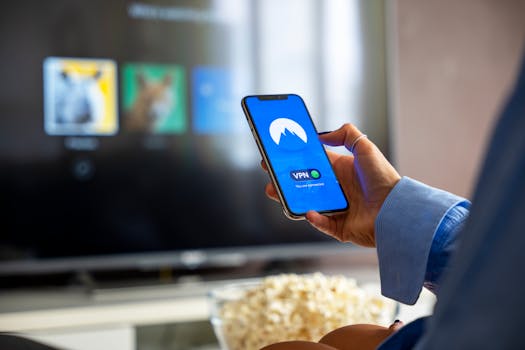
In the modern digital landscape, navigating internet restrictions has become a common challenge. From government-imposed censorship to geo-restrictions by content providers, these barriers can significantly impede access to information and entertainment. One effective solution to this problem is the use of a Virtual Private Network (VPN), which offers a way to bypass these restrictions securely and privately.
How VPNs Help Bypass Internet Censorship
Countries vary in their approach to internet censorship, with some blocking access to specific websites or filtering content deemed inappropriate or politically sensitive. VPNs help circumvent these restrictions by routing your internet traffic through servers in different countries where such restrictions are not in place. For instance, if you're in a country that blocks access to certain social media platforms, connecting to a VPN server in another country can allow you to access those platforms as if you were located there.
.png)
Overcoming Geo-Restrictions with VPNs
Geo-restrictions often occur with streaming services like Netflix or Hulu, which limit content based on the user’s geographical location. VPNs address this by changing your IP address to one in a country where the content is available, allowing you to access it as if you were a local user. This feature is particularly valuable for expatriates and travelers who wish to access content from their home countries or explore a wider array of international media.
VPN Use in the Workplace
Workplaces may implement internet restrictions to keep employees focused or protect the network from security threats. While VPNs can bypass these restrictions, it is important to consider company policies on VPN use. Unauthorized use of VPNs in the workplace can lead to job-related consequences.
Selecting an effective VPN is critical to successfully bypassing internet restrictions. Consider the following factors:
- Security Features: Opt for VPNs that provide robust encryption and uphold a strict no-logs policy to protect your privacy.
- Server Locations: A VPN with numerous server locations increases your chances of bypassing restrictions effectively. Servers in countries with less restrictive internet laws are particularly beneficial.
- Speed and Reliability: Since VPNs can potentially slow down your internet connection by routing traffic through other servers, it is important to choose a VPN known for its high speed and reliability.
- Ease of Use: Especially for those who are not tech-savvy, a VPN with a user-friendly interface is crucial. Look for VPNs that offer intuitive apps for a range of devices.
Legal Considerations
While VPNs are legal in many countries, some have restrictions or bans on their use. Familiarize yourself with the legal status of VPNs in your country and any country you plan to visit. Always use VPNs responsibly and within the bounds of the law.
Conclusion
VPNs serve as a potent tool for overcoming internet restrictions, enhancing both freedom and privacy online. Whether you are dealing with censorship, workplace restrictions, or geo-blocks from streaming services, a VPN can provide access and protection. However, it is important to choose the right VPN and use it responsibly, considering both ethical issues and local legal frameworks.