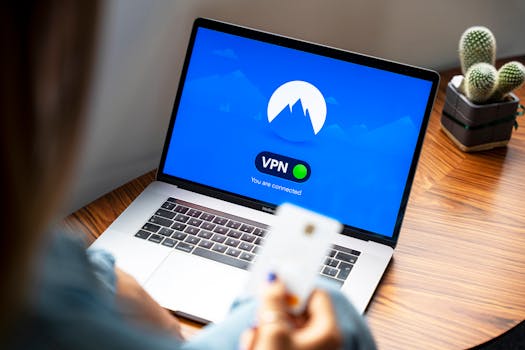
In today’s digital era, maintaining anonymity online has become a crucial concern for individuals and organizations alike. Every click, search, and message can potentially be tracked, analyzed, and even exploited. With governments, advertisers, and cybercriminals all interested in your data, a Virtual Private Network (VPN) is often promoted as a powerful tool for protecting your identity and online activities. But how does a VPN actually improve your anonymity on the internet? Let’s explore the mechanisms, benefits, and limitations of VPNs in safeguarding your digital self.
The Basics of Online Anonymity: Understanding the Stakes
Before diving into how VPNs work, it's important to grasp what online anonymity really means. Anonymity on the internet is about hiding your real identity and activities from third parties—whether they’re websites, internet service providers (ISPs), data brokers, or malicious actors. According to a 2023 Pew Research study, 79% of Americans are concerned about how companies use their personal data, and 64% have taken steps to limit online tracking.
Without any protective measures, your device’s IP address, browsing habits, and even physical location can be easily traced. This information is often harvested for targeted advertising, surveillance, or even criminal purposes. In 2022, the Federal Trade Commission (FTC) received over 1.1 million reports of identity theft in the United States alone, highlighting the growing risks of remaining unprotected online.
.png)
VPNs are touted as one solution to this growing problem. But how do they work, and what do they actually do to protect your anonymity?
How VPNs Work: The Mechanics Behind the Mask
A VPN, or Virtual Private Network, acts as a secure tunnel between your device and the internet. When you connect to a VPN server, your data is encrypted and routed through that server before reaching its final destination. This process hides your real IP address—the digital identifier that websites and services use to pinpoint your location and identity.
Let’s break down the core functions of a VPN in relation to anonymity:
1. IP Address Masking: When you use a VPN, websites and online services see the IP address of the VPN server, not your actual IP address. This makes it difficult for third parties to track your browsing back to you. 2. Data Encryption: VPNs encrypt your internet traffic, making it unreadable to anyone who might intercept it. This is particularly important when using unsecured networks, such as public Wi-Fi. 3. Geo-Spoofing: By choosing a VPN server in a different country, you can appear to be browsing from virtually anywhere in the world. This can help bypass regional restrictions, but also adds a layer of ambiguity to your digital footprint.A 2024 report from Statista revealed that nearly 31% of internet users worldwide utilize VPNs, with anonymity and privacy cited as the top reasons.
Comparing Online Anonymity: With and Without a VPN
To better understand the impact a VPN has on your online anonymity, it helps to compare the digital traces you leave with and without a VPN.
| Aspect | Without VPN | With VPN |
|---|---|---|
| Visible IP Address | Your real IP address visible to all sites and services | VPN server’s IP address is visible, hiding your real location |
| ISP Tracking | Full view of your browsing history and data | Sees only that you connected to a VPN, not your activity |
| Data Encryption | Unencrypted data vulnerable to interception | Data encrypted, unreadable to outsiders |
| Geo-Restrictions | Access only to content in your region | Can access content as if in another country |
| Third-Party Tracking | Easy for trackers to build a profile based on your IP | More difficult for trackers to link activity to you |
This comparison makes it clear: a VPN significantly reduces your digital exposure, making it harder for others to piece together your online identity.
Real-World Examples: VPN Anonymity in Action
Let’s look at some practical scenarios where VPNs make a concrete difference in preserving anonymity:
1. Journalists and Activists: In countries with restrictive internet laws, journalists and activists often use VPNs to protect their sources and themselves. In 2023, Reporters Without Borders documented over 200 cases where VPNs were crucial for secure communications in censored regions. 2. Everyday Users: Even for the average user, VPNs help mask personal data from advertisers, data brokers, and even hackers on public networks. For example, a 2022 study by the Electronic Frontier Foundation (EFF) found that using a VPN reduced targeted advertising by up to 38% due to reduced data leakage. 3. Whistleblowers: Secure, anonymous internet access is critical for whistleblowers sharing sensitive information. VPNs, when combined with privacy browsers and encrypted messaging, play a key role in protecting their identities.These real-world cases prove that VPNs aren’t just for tech experts—they’re vital tools for anyone who values online anonymity.
Limitations and Misconceptions: What a VPN Can’t Do
While VPNs offer robust anonymity benefits, they are not magic cloaks that render users invisible. It’s important to understand the boundaries of their protection:
1. VPN Logs: Some VPN providers keep logs of user activity, which can potentially be handed over to authorities or leaked. Always choose a provider with a strict no-logs policy, independently audited for compliance. 2. Browser and App Tracking: VPNs encrypt your connection but don’t stop websites from tracking you through cookies, browser fingerprinting, or account logins. According to a 2023 Norton study, 72% of top websites use advanced tracking techniques beyond IP addresses. 3. Malware and Phishing: VPNs do not protect against malware-infected downloads or phishing attacks. These require separate cybersecurity measures. 4. Trust in the VPN Provider: You are shifting trust from your ISP to your VPN provider. If the VPN is based in a country with weak privacy laws or questionable business practices, your data could still be at risk.Understanding these limitations helps set realistic expectations and encourages a multi-layered approach to online privacy.
Enhancing Anonymity: VPNs in Combination with Other Tools
For those seeking maximum anonymity, VPNs are most effective when used as part of a broader privacy toolkit. Here are some complementary strategies:
1. Privacy Browsers: Use browsers like Tor or Brave that block trackers and mask your digital fingerprint. 2. Secure Search Engines: Switch to search engines like DuckDuckGo or Startpage that don’t log your queries. 3. Encrypted Messaging: Communicate via apps that use end-to-end encryption, such as Signal or WhatsApp. 4. Ad and Tracker Blockers: Install browser extensions like uBlock Origin to prevent third-party tracking scripts. 5. Regular Software Updates: Keep your operating system and software up-to-date to patch vulnerabilities.A 2024 survey by Privacy International found that users who combined VPNs with these tools were 65% less likely to be tracked or targeted by advertisers than those using VPNs alone.
Final Thoughts: The Role of VPNs in Modern Online Anonymity
VPNs have become a cornerstone of online privacy and anonymity for millions of users worldwide. By masking your IP address, encrypting your data, and enabling geo-spoofing, VPNs disrupt the easy collection and exploitation of your personal information. However, no single tool can guarantee absolute anonymity. The best strategy is to use a VPN as part of a layered approach, combining it with privacy-conscious browsing habits and complementary security tools.
As privacy risks continue to evolve, staying informed and proactive is essential. VPNs will remain a powerful asset for those who wish to control their digital footprint and protect their anonymity in an increasingly connected world.