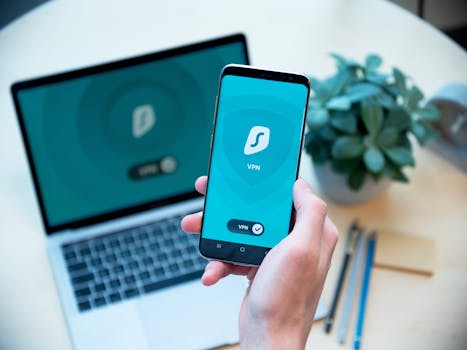
The Connection between VPNs and Online Anonymity
In today’s digital era, online privacy and anonymity have become increasingly important. With cyber threats on the rise, widespread data collection by corporations, and growing surveillance by governments, individuals are seeking ways to shield their personal information and browsing activities. One of the most popular tools for this purpose is the Virtual Private Network, or VPN. But how strong is the connection between VPNs and true online anonymity? This article delves deep into how VPNs function, what they can and cannot do for online anonymity, and how they stack up against other privacy tools.
Understanding Online Anonymity
Online anonymity refers to the state where a user's identity and activities are hidden or untraceable on the internet. Achieving complete anonymity is challenging, given the digital footprints users leave behind—ranging from IP addresses to browser fingerprints and cookies. According to a 2022 Pew Research Center survey, 81% of Americans feel they have little or no control over the data companies collect about them, highlighting growing concerns about personal privacy.
Anonymity online is often confused with privacy. While privacy focuses on protecting user data from being accessed by unauthorized parties, anonymity is about concealing who the user is, even if the data is visible. This distinction is crucial when evaluating the effectiveness of VPNs in protecting users.
.png)
How VPNs Work to Protect User Identity
A VPN operates by creating an encrypted tunnel between a user’s device and a remote server operated by the VPN provider. When connected, all internet traffic from the device is routed through this server, masking the user’s real IP address and replacing it with one from the VPN server’s location. This process prevents websites, ISPs, and some third parties from directly tracing online activities back to the user.
For example, if a user in London connects to a VPN server in New York, websites will see the user’s IP address as coming from New York, not London. Additionally, the encryption provided by VPNs ensures that even if data is intercepted, it remains unreadable to outsiders.
According to statistics from Statista, the global VPN market is projected to reach $77.1 billion by 2026, underlining the growing reliance on VPNs for privacy and anonymity.
Limitations of VPNs in Achieving True Anonymity
While VPNs significantly enhance privacy, they have limitations when it comes to delivering full anonymity. Here are some key points to consider:
1. $1: Some VPN providers keep logs of user activity, connection times, and IP addresses. If compelled by law, these records could potentially be handed over to authorities. In 2017, a case involving a popular VPN provider highlighted this risk when logs were provided to assist in a criminal investigation. 2. $1: VPNs cannot prevent websites from using browser fingerprinting techniques or tracking cookies to identify users. In a 2023 study, 89% of popular websites used some form of fingerprinting, which can persist even when using a VPN. 3. $1: If not properly configured, a VPN may fail to reroute DNS requests, exposing the real IP address and location of the user. DNS leaks can significantly undermine the anonymity a VPN promises. 4. $1: Users must trust that the VPN provider is not logging or misusing their data. Choosing a reputable provider with a strict no-logs policy and transparent privacy practices is essential. 5. $1: VPN providers based in countries with stringent data retention laws may be legally required to log and hand over user data, impacting user anonymity.VPNs vs Other Anonymity Tools: A Comparison
VPNs are not the only solution for those seeking online anonymity. Other tools, such as Tor (The Onion Router) and proxy servers, offer different levels and methods of protection. The table below compares key aspects of these tools:
| Feature | VPN | Tor | Proxy Server |
|---|---|---|---|
| IP Address Masking | Yes (VPN server IP) | Yes (multiple relays) | Yes (proxy server IP) |
| Encryption | End-to-end for all traffic | Multi-layered for Tor browser traffic | Usually none or weak |
| Bypasses Censorship | Often yes | Yes (highly effective) | Limited |
| Speed | Fast (can slow slightly) | Slower (due to relays) | Fast (minimal overhead) |
| True Anonymity | Partial | High | Low |
| Usability | Easy | Moderate (browser or setup needed) | Easy |
Tor offers a higher degree of anonymity by routing traffic through multiple volunteer-operated relays, making it much harder to trace a user’s activity. However, Tor can be slow and is not suitable for all types of online activity. Proxies, on the other hand, are generally less secure, often lacking encryption and exposing users to additional risks.
Best Practices for Maximizing Anonymity with VPNs
While VPNs alone may not guarantee complete anonymity, users can adopt several best practices to get closer to that goal:
1. $1: Opt for providers with independently audited no-logs policies. Some leading VPNs, such as ExpressVPN and NordVPN, have undergone third-party audits to verify their claims. 2. $1: Pay for VPN services using cryptocurrencies or prepaid cards to avoid linking your identity to your VPN account. 3. $1: For higher anonymity, use VPNs in conjunction with privacy browsers (e.g., Tor Browser) and disable tracking cookies. 4. $1: Use online tools to check for IP, DNS, and WebRTC leaks while connected to your VPN. 5. $1: Even with a VPN, logging into personal accounts (like Google or Facebook) can compromise anonymity, as these services can still track your activity. 6. $1: Keep your VPN app, browser, and operating system up to date to patch vulnerabilities that could expose your identity.Real-World Scenarios: When VPNs Protect Your Identity—and When They Don’t
To better understand the connection between VPNs and online anonymity, consider these scenarios:
- $1: When connecting to a coffee shop’s public Wi-Fi, a VPN can shield your data from hackers and prevent the network operator from seeing your browsing activity. However, if you log into a personal email account, anonymity is compromised. - $1: In countries where certain websites are blocked, a VPN can help access restricted content while hiding your real location. Yet, government authorities may detect VPN usage and enforce penalties, especially if the VPN logs user activity. - $1: For whistleblowers and journalists, a VPN can provide an extra layer of protection, especially when paired with Tor or secure communication tools. Still, using only a VPN may not be sufficient if the provider keeps logs or if operational security is weak. - $1: VPNs are often used to conceal IP addresses while torrenting. In 2021, over 23% of VPN users reported using the technology for peer-to-peer file sharing. However, some VPNs restrict or monitor P2P activity, potentially reducing anonymity.The Future of Online Anonymity and VPNs
As digital surveillance and cyber threats grow more sophisticated, the demand for online anonymity tools is set to rise. Emerging technologies, such as decentralized VPNs (dVPNs), aim to address some of the traditional limitations by distributing server infrastructure and reducing reliance on central providers.
Legislation is also evolving. The European Union’s General Data Protection Regulation (GDPR) and similar laws worldwide are pushing for greater transparency and user control over personal data. However, as long as digital footprints exist, achieving complete anonymity will remain a moving target.
VPNs will continue to play a vital role in the privacy ecosystem, but users must remain vigilant, combining multiple tools and practices to safeguard their digital identities.
Conclusion
The relationship between VPNs and online anonymity is both powerful and nuanced. VPNs offer substantial benefits for privacy by masking IP addresses, encrypting internet traffic, and bypassing censorship. However, they are not a panacea for true anonymity. Limitations such as logging policies, browser fingerprinting, and technical leaks mean that users must take additional steps to protect their identities online.
For those who prioritize anonymity, using a VPN should be part of a broader privacy strategy that includes secure browsers, anonymous payment methods, and mindful online behavior. As technology and surveillance tactics evolve, staying informed and adapting privacy practices is essential for maintaining control over one’s digital presence.