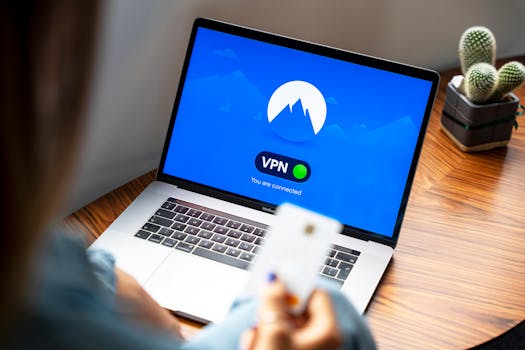
Online banking is now the go-to method for managing finances, with over 70% of Europeans using digital banking services in 2023. As convenience grows, so do cybersecurity threats: phishing, data leaks, and man-in-the-middle attacks target unsuspecting users. Many turn to Virtual Private Networks (VPNs) for extra security, but how exactly does a VPN affect your online banking experience? Can it truly keep your money safe — or could it cause complications with your bank’s fraud detection systems? In this comprehensive guide, we’ll explore how VPNs impact online banking, what risks to consider, and actionable security tips to protect your finances.
Understanding VPNs: What They Do for Your Online Banking
A VPN (Virtual Private Network) encrypts your internet connection and routes your traffic through a secure server, masking your real IP address. This shields your data from prying eyes — whether you’re at home or using public Wi-Fi. When you log in to your bank account through a VPN, your login credentials, account details, and financial transactions are much less susceptible to interception by hackers.
Key benefits of using a VPN for online banking include:
- $1: VPNs use protocols like OpenVPN or WireGuard, encrypting your data with AES-256 bit encryption — the same standard used by banks and governments. - $1: Your real IP address is hidden, making it harder for cybercriminals to target you based on your location or digital footprint. - $1: VPNs protect you on unsecured networks, such as airport or café Wi-Fi, where attackers often lurk.However, while these features strengthen your online security, they also introduce some unique considerations when it comes to banking platforms.
.png)
Potential Drawbacks: How VPNs Can Affect Online Banking Access
Banks are vigilant about potential fraud, and unusual login patterns can trigger security protocols. When you use a VPN, your apparent location may suddenly jump from one country to another, raising red flags for the bank’s automated systems.
Common issues include:
- $1: If your bank detects a login from an unexpected location, even if it’s you on a VPN server, it may block access or freeze your account to prevent fraud. - $1: Some banks require additional verification if you sign in from an unfamiliar IP address. - $1: VPNs can sometimes slow down your connection, especially if you choose a distant server, which might cause timeouts during sensitive transactions.According to a 2022 survey by Cybersecurity Ventures, 24% of VPN users reported at least one instance where their online banking session was interrupted or flagged due to VPN use.
Comparing VPN Providers: Which Are Best for Online Banking?
Not all VPNs are created equal. Some are optimized for streaming, others for anonymity, and a select few focus on secure, stable connections ideal for sensitive tasks like online banking. When choosing a VPN for banking, consider factors such as server reliability, no-logs policies, and robust encryption.
Here’s a comparison of three leading VPNs with features relevant to online banking:
| VPN Provider | Encryption Standard | No-Logs Policy | Server Locations | Multi-Hop Option | Bank-Access Support |
|---|---|---|---|---|---|
| NordVPN | AES-256 | Yes (audited) | 60+ countries | Yes | High |
| ExpressVPN | AES-256 | Yes (audited) | 94 countries | No | High |
| Proton VPN | AES-256 | Yes (audited) | 65+ countries | Yes | Moderate |
For banking, look for providers with a strong reputation for privacy and servers in your home country for fewer login issues.
Security Tips: Using a VPN for Safe Online Banking
To maximize security and minimize hassle, follow these best practices when banking online with a VPN:
1. $1: Choose a VPN server in your own country or city. This reduces the chance your bank will see your login as suspicious and helps maintain fast connection speeds. 2. $1: These features prevent your real IP address from leaking if your VPN connection drops unexpectedly. 3. $1: Some VPN providers offer a unique, static IP address. This is less likely to trigger banking fraud alerts than shared IPs, as your logins will always appear from the same address. 4. $1: This removes traces of your online activity and reduces session hijacking risks. 5. $1: Make sure your bank has your current phone number and email, so you can quickly verify your identity if a login is flagged. 6. $1: If you need to access your account from abroad, let your bank know in advance. This can prevent account freezes due to unfamiliar IP addresses (even when using a VPN).According to a 2023 report from the European Banking Authority, banks are increasingly using AI-based fraud detection, making consistent login patterns more important than ever.
Risks of Not Using a VPN: Why Online Banking Needs Extra Protection
While some users worry about banks flagging VPN logins, the risks of not using a VPN can be far more severe. Public Wi-Fi networks are notoriously insecure; in a 2021 Ponemon Institute study, 53% of respondents reported attempts to steal financial credentials over public Wi-Fi. Without encryption, sensitive information — including login credentials and one-time codes — is vulnerable to interception.
Other risks include:
- $1: Attackers can intercept traffic between you and your bank, capturing personal and financial data. - $1: Unencrypted connections may allow hackers to take over your online banking session. - $1: Criminals can inject fake banking sites into unsecured networks, tricking users into entering credentials.By encrypting your traffic, a VPN creates an additional layer of defense against these threats. The peace of mind provided by a secure connection often outweighs the minor inconveniences it may cause.
How Banks Detect Suspicious Activity: The Role of VPNs
Modern banks use sophisticated algorithms to monitor for fraudulent activity. These systems analyze thousands of data points, including:
- Login location (IP address, country, city) - Device fingerprints (browser, operating system) - Time of access - Transaction patternsWhen a VPN changes your apparent location or IP address, it can introduce inconsistencies in your digital footprint. Some banks have adapted by recognizing popular VPN server IPs and treating them similarly to public Wi-Fi logins — sometimes requiring extra verification, but not automatically blocking access.
In 2022, Barclays Bank reported that 12% of flagged login attempts involved users on VPNs. However, nearly 90% of these cases were resolved with a secondary authentication step, such as a text message code or email confirmation.
If your bank frequently blocks VPN connections, consider contacting customer support. Some institutions can whitelist your dedicated VPN IP or offer alternate verification methods for frequent travelers and privacy-conscious users.
Final Thoughts: Balancing Security and Convenience in Online Banking with VPNs
The digital era has made managing money more convenient than ever, but it’s also increased the stakes for personal cybersecurity. Using a VPN for online banking is a smart move, especially on unsecured networks or when traveling. The key is to use your VPN wisely: select local servers, consider a dedicated IP, and keep your bank informed of any travel or changes in access patterns.
While using a VPN may cause occasional login challenges, the protection it provides against data theft and cyberattacks is invaluable. With the right precautions, you can enjoy both secure and seamless online banking — no matter where you are.