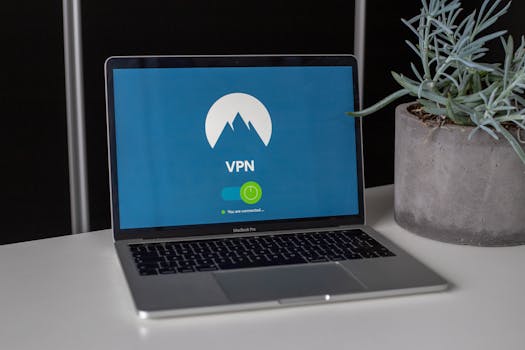
Traveling internationally opens up a world of adventure, culture, and opportunity—but it can also expose you to new online risks and digital roadblocks. Whether you’re a remote worker, a student abroad, or just a globetrotter eager to share your experiences on social media, internet access is essential. However, geo-restrictions, unsafe public Wi-Fi, and data privacy laws can quickly turn your digital journey into a maze. The right Virtual Private Network (VPN) can be your passport to a safer, more open internet, but with hundreds of providers promising the world, how do you choose the right VPN for travel—especially for international use? This guide breaks down the must-have features, performance metrics, and the best VPN options to keep you connected and protected across borders.
Understanding the Unique VPN Needs of International Travelers
Travelers face a unique set of online challenges compared to users at home. For example, nearly 60% of travelers use public Wi-Fi at airports, hotels, or cafes, putting their data at risk of interception. In addition, over 45 countries actively block or censor major websites and services, making it hard to access news, social media, or streaming platforms from abroad.
Key challenges international travelers face include:
- Geo-restricted content: Streaming services, banking apps, and news sites may be blocked in certain countries. - Public Wi-Fi threats: Unsecured networks are prime targets for hackers and data thieves. - Government surveillance: Some countries monitor and restrict internet activity. - Data privacy regulations: Laws such as GDPR or China’s cybersecurity regulations can affect your online privacy and access.A VPN helps solve these issues by encrypting your internet traffic and routing it through secure servers worldwide. But not all VPNs are equally equipped to handle the demands of global travel. The following sections detail what to look for—and which providers stand out.
.png)
Essential Features: What to Look for in a VPN for Travel
When choosing a VPN for international travel, certain features are non-negotiable. Here’s what sets the best travel VPNs apart:
1. $1 Look for a VPN provider with an extensive network of servers across multiple continents. The more servers available, the easier it is to find a fast, local connection and bypass regional restrictions. For example, ExpressVPN boasts servers in 105 countries as of 2024. 2. $1 International travel often means relying on slower or less stable internet connections. A good travel VPN minimizes speed loss—premium providers typically reduce speeds by less than 10-15% compared to your base connection. 3. $1 Military-grade encryption (AES-256) is standard, but also consider features like automatic kill switches, DNS leak protection, and obfuscated servers (to disguise VPN usage in restrictive regions). 4. $1 A great travel VPN offers user-friendly apps for laptops, smartphones, and tablets, with easy setup and intuitive interfaces. Bonus points for supporting simultaneous connections on multiple devices. 5. $1 If you’re heading to countries with stringent internet controls (such as China, UAE, or Russia), ensure your VPN can reliably bypass firewalls and deep packet inspection (DPI) technologies. 6. $1 For maximum privacy, choose a provider with an audited no-logs policy. This means they do not store data about your online activity, protecting you if local authorities request user information. 7. $1 24/7 live chat or email support is invaluable if you run into connection issues while abroad, especially in different time zones.Performance Matters: Comparing the Best VPNs for International Travel
To help narrow your search, here’s a comparison of top-rated VPNs for travelers, focusing on server locations, speed, security, and travel-friendly features.
| VPN Provider | Countries Covered | Avg. Speed Loss$1$1Based on 2024 third-party speed tests using 100 Mbps base connection.
$1China:$1United Arab Emirates (UAE) & Middle East:$1Europe:$1United States:$1Russia & Turkey:$1Install Before You Go$1Test Connections$1Use Kill Switch and Auto-Connect$1Update Regularly$1Check for Leaks$1Have a Backup Plan$1Check Local Laws:$1Don’t Use VPNs for Illegal Activity:$1Respect Streaming Terms:$1Carry Emergency Contacts:** If your VPN stops working, have alternative communication options ready (such as email contacts or backup messaging apps).
According to Freedom House, only 17% of the global population lives in countries with a free and open internet. Being informed and responsible ensures your VPN use remains both effective and lawful. Final Thoughts: Picking the Right VPN for Global AdventuresChoosing a VPN for international travel isn’t just about unblocking Netflix or checking your bank account from afar. It’s about safeguarding your digital footprint, protecting your privacy, and ensuring you’re not cut off from the world when you need it most. The best VPN for travel offers robust security, consistent performance, an expansive server network, and proven abilities to bypass regional restrictions. Remember to prioritize global server coverage, speed, and anti-censorship features. Test your VPN before you travel, keep it updated, and always be aware of local laws. With the right VPN in your digital toolkit, the world is truly at your fingertips—securely and freely. FAQ Are VPNs legal to use when traveling internationally? VPNs are legal in most countries, but some—such as China, Russia, Iran, and Turkey—impose restrictions or bans on unauthorized VPN services. Always check local regulations before using a VPN abroad. Can I use a free VPN while traveling? Free VPNs often have limited server locations, slower speeds, and weaker security. They may also log your activity or display ads. For travel, where privacy and reliability are essential, a reputable paid VPN is strongly recommended. Will a VPN let me access streaming services from my home country? Many paid VPNs can unblock popular streaming platforms by allowing you to connect through servers in your home country. However, streaming services actively block some VPNs, so check if your provider supports this feature before purchasing. What should I do if my VPN stops working in a restrictive country? If your VPN suddenly stops working, try switching protocols, using obfuscated servers, or contacting customer support for help. It’s also wise to have a backup VPN or manual configuration files saved before departure. How many devices can I use with one VPN subscription? Most top VPN providers allow multiple simultaneous connections—Surfshark, for example, offers unlimited devices per account, while others like NordVPN allow up to 6. Check your provider’s policy based on your needs.
More from the archiveView full article archive →
kuailianjiasuqi.org
Boost Your Internet Speed: How to Optimize Your VPN for Faster Browsing
kuailianjiasuqi.org
Boost Your VPN Speed: How Bandwidth Accelerators Enhance Performance
kuailianjiasuqi.org
Secure Your Online Data: Ultimate VPN Encryption Guide for 2024
kuailianjiasuqi.org
Boost Your Internet Speed: How VPNs Can Accelerate Your Connection
kuailianjiasuqi.org
Best Business VPNs 2023: Secure Your Company's Digital Operations
kuailianjiasuqi.org
Secure Your Digital Life: How VPNs Protect Against Cyber Threats in 2023
kuailianjiasuqi.org
Essential VPN Travel Tips: Stay Safe & Connected Globally
kuailianjiasuqi.org
Kuailian VPN Review 2024: Fast, Secure & Rivals Top VPNs |
|---|