In an era where cyber threats are increasingly common, safeguarding your internet privacy is essential. A Virtual Private Network (VPN) offers a robust solution, enhancing both security and privacy as you navigate the online world. Here's a detailed exploration of how a VPN can transform your internet experience by providing increased protection and freedom.
Essential Reasons to Use a VPN
- Enhanced Privacy and Anonymity: A VPN masks your real IP address, making it difficult for third parties to track your online activities. Instead of your IP, they see the VPN server's address, potentially located in a completely different part of the world.
- Safety on Public Wi-Fi: Public Wi-Fi networks are convenient but often not secure. A VPN encrypts your connection on these networks, protecting you from potential cyber threats like data theft.
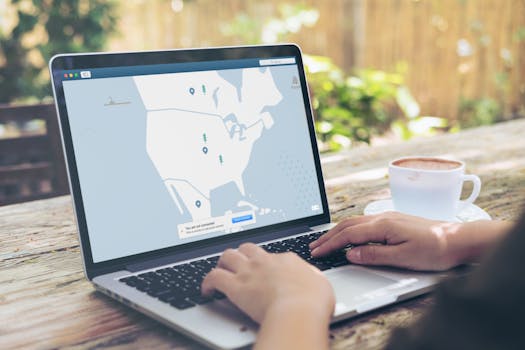
- Access Geo-Restricted Content: Certain content on the internet may not be available in your region due to geo-restrictions. A VPN allows you to connect to servers globally, giving you access to a broader array of online content.
- Secure Online Transactions: For activities involving sensitive information, such as online shopping or banking, a VPN secures your data against interception by encrypting your internet connection.
How VPNs Enhance Your Internet Security
.png)
Activating a VPN establishes a protected tunnel for your data to travel through, heavily encrypted and away from prying eyes. This tunnel ensures that even if cybercriminals intercept your data, decrypting it is virtually impossible.
VPNs employ various protocols like OpenVPN, L2TP/IPsec, and IKEv2 to maintain security and optimize connection speed, adding layers of protection as your data flows between servers.
Selecting a Suitable VPN
The effectiveness of a VPN largely depends on its provider. Here are a few considerations when choosing a VPN service:
- Reputation: Choose a provider known for its commitment to privacy and reliable service. User reviews and expert testimonials can provide insightful guidance.
- No-logs Policy: Opt for a VPN that does not keep logs of your internet activities to ensure your actions remain private, even from the VPN service.
- Advanced Security Features: Features like automatic kill switches that cut your internet connection if the VPN fails can prevent data leaks.
- Server Diversity: A VPN with many server locations allows for more reliable and faster connections and more options for location spoofing.
Integrating a VPN into Daily Internet Usage
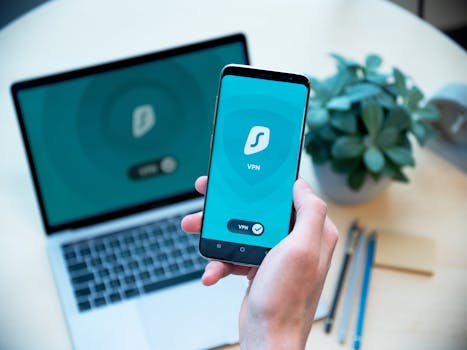
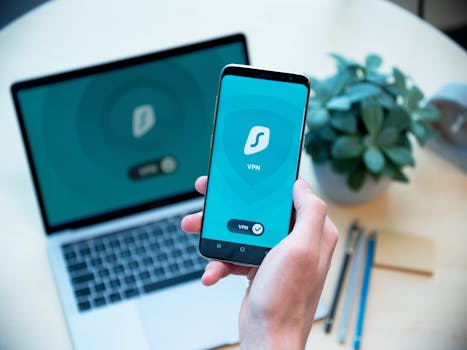
Using a VPN daily is straightforward with the user-friendly applications provided by most services for various devices, including phones and computers. Installation usually involves downloading an app and connecting to a server; the VPN then runs in the background, securing your internet connection.
Conclusion
In the digital age, securing your online privacy is crucial, and a VPN is a powerful tool to achieve this. It not only protects personal information from hackers but also enhances your internet freedom by overcoming geographical restrictions. By selecting a reputable VPN provider and integrating it into your daily online activities, you can significantly improve your digital security and privacy.